Animal Testing
Village Tech Campaign For Change
What is animal testing?
"Animal Testing" is defined as the use of non-human animals in controlled tests for the purpose of research. This campaign mainly focuses on the use of animal testing in medical environments, as well as companies and products that use animal test models.
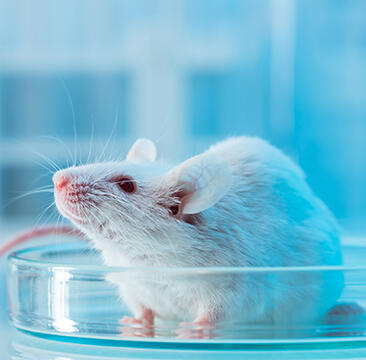
The most commonly tested animals include: Mice, Rats, Dogs, Rabbits, Cattle, Cats, Pigs, and Goats.

Reasons for change
The reason that this campaign (and other activist campaigns), wish to end animal testing is because over time, animal testing has become extremely expensive and unreliable, as well as being cruel and inhumane. The conditions and events that lab animals are forced to endure often times leave the animals scarred, burned, infected, killed, or otherwise mangled during tests. In addition, most products act differently on animals than humans, leading to the product having to be tested on humans regardless. This makes the use of animals in testing near useless and a large waste of money most of the time.
Alternatives
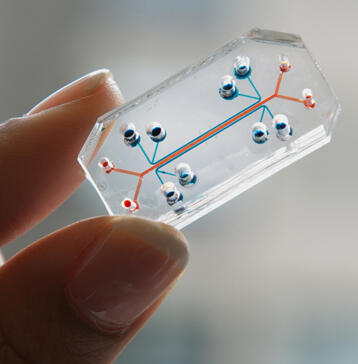
Modern alternatives to animal testing, such as the use of human tissue, human volunteers, and computer simulators, have been used more and more often by different companies. These alternatives prove not only cheaper, but also more efficient, effective, and humane.
What you can do
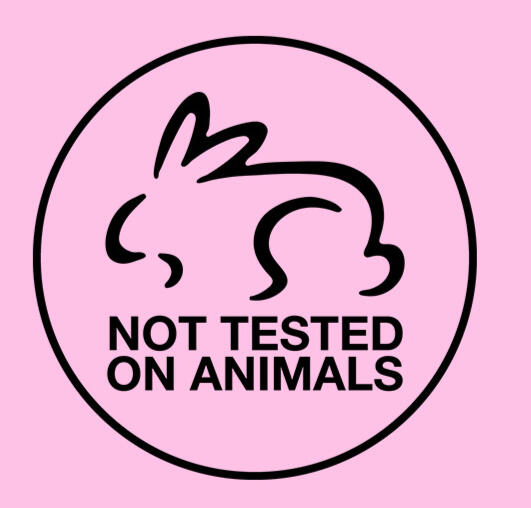
A large part of the change done in the lab animal rights movement has come through the combined efforts of individuals. If you would like to help contribute to the anti-animal testing movement, one of the most influential things you can do is checking for a "Not Tested On Animals" label before buying products. By buying only products that have not been through animal testing, you encourage more companies to stop animal testing their products as well.
Some other things that individuals can do to help the movement include: learning more about the ethics and history surrounding animal rights and animal testing, and educating others if possible, and stopping personal support of other animal exploitation (such as unnecessary hunting, poisoning, or support of factory farms or backyard breeders) if applicable.